

Complying Development
What is Complying Development?
A Complying Development Certificate (CDC) is a fast track alternative pathway of development approval that is assessed under the NSW State Environmental Planning Policy (Exempt and Complying Development Codes) 2008 (SEPP).
Complying Development is the streamlined, fast-track pathway for building approval in NSW.
Rather than lodging an application with your local council — a process that can take several months — a Complying Development Certificate (CDC) allows a private Accredited Certifier to assess and approve your project. It is a more efficient process that gets you to the construction phase sooner.
To be eligible, your project must satisfy every requirement set out in the State Environmental Planning Policy (Exempt and Complying Development Codes) 2008 — commonly referred to as the SEPP Codes. These standards govern key factors such as the size and scale of your build, boundary setback distances, and the zoning of your land. If your project meets all the requirements, it can proceed as Complying Development. If it falls short of even one requirement, an alternative approval pathway will be required — typically a Development Application (DA) through your local council.
The SEPP Codes operate on a strict pass/fail basis. There is no flexibility or discretion — your project either complies or it does not.
What Can Be Approved as Complying Development?
A wide range of residential and commercial projects are eligible for the CDC pathway, including:
Renovations to an existing home
Granny flat construction
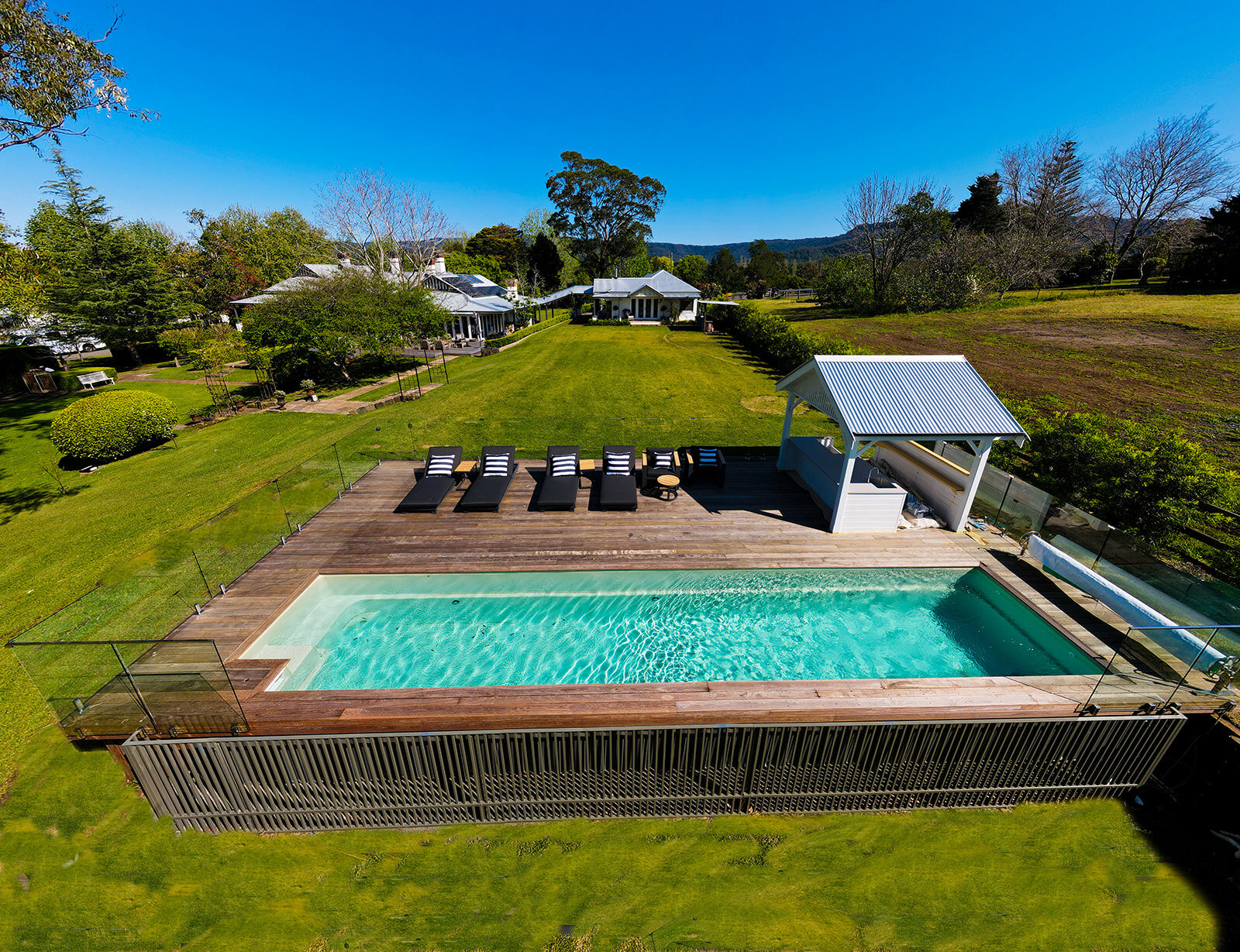
In-ground swimming pools
Extensions of up to two storeys
Garages and carports
New industrial buildings
Alterations and additions to commercial or industrial buildings
Please note: Not every property or project will be eligible for the CDC pathway. Common reasons a project may not qualify include:
Zoning — Your land must be zoned in a manner that permits CDC under the SEPP Codes. Certain rural, environmental, and heritage zones are not eligible.
Heritage listings — Properties that are heritage listed, or located within a heritage conservation area, are generally excluded from the CDC pathway.
Bush fire, flood, or other hazard overlays — Properties subject to bush fire prone land designations, flood planning areas, or similar constraints may face restrictions that affect CDC eligibility.
Land size and dimensions — Minimum lot size and width requirements apply to many project types. If your property does not meet these thresholds, the CDC pathway will not be available.
Setbacks and height — Strict boundary setback distances and building height limits apply. A project that exceeds these standards — even marginally — will not be eligible for CDC approval.
The nature of the proposed works — Not all project types can be assessed as Complying Development. More complex or non-standard builds will typically require a DA.
As eligibility is determined entirely by compliance with the SEPP Code standards, we are unable to override or negotiate these requirements. What we can do is assess your circumstances promptly and identify the most efficient approval pathway available to you.
CDC vs DA + Construction Certificate — What's the Difference?
All building and renovation projects in NSW require both planning approval and a construction certificate before work can commence. Under the traditional council route, these are two separate steps — a Development Application (DA) is first assessed and approved by council, followed by a Construction Certificate (CC) to confirm that your building plans meet the relevant construction standards. A CDC consolidates both approvals into a single certificate, issued by one Accredited Certifier. One process, one document, and a significantly shorter timeframe.
Every Project Needs an Occupation Certificate to finalise the Development
Regardless of which approval pathway your project follows, an Occupation Certificate (OC) is required before any building can be occupied or used. Issued at the completion of construction, the OC confirms that the works have been carried out in accordance with the approval and that the building is safe for occupation. It is a mandatory legal requirement — not an optional final step. We can manage this stage of the process on your behalf, ensuring nothing is overlooked as your project draws to a close.
Saving You Time and Money
While a CDC is processed more quickly than a council DA, the documentation and administrative requirements are still substantial. That is where Dynamic Approvals adds real value.
We manage the entire process on your behalf — preparing your application, coordinating with your Certifier, and liaising with any specialist consultants required for assessment. You do not need to navigate the paperwork or manage multiple parties. We handle it, so you can focus on your project.
Let us take the stress out of the building approvals process.